One Health Curricula: Working together on education for pandemic preparedness
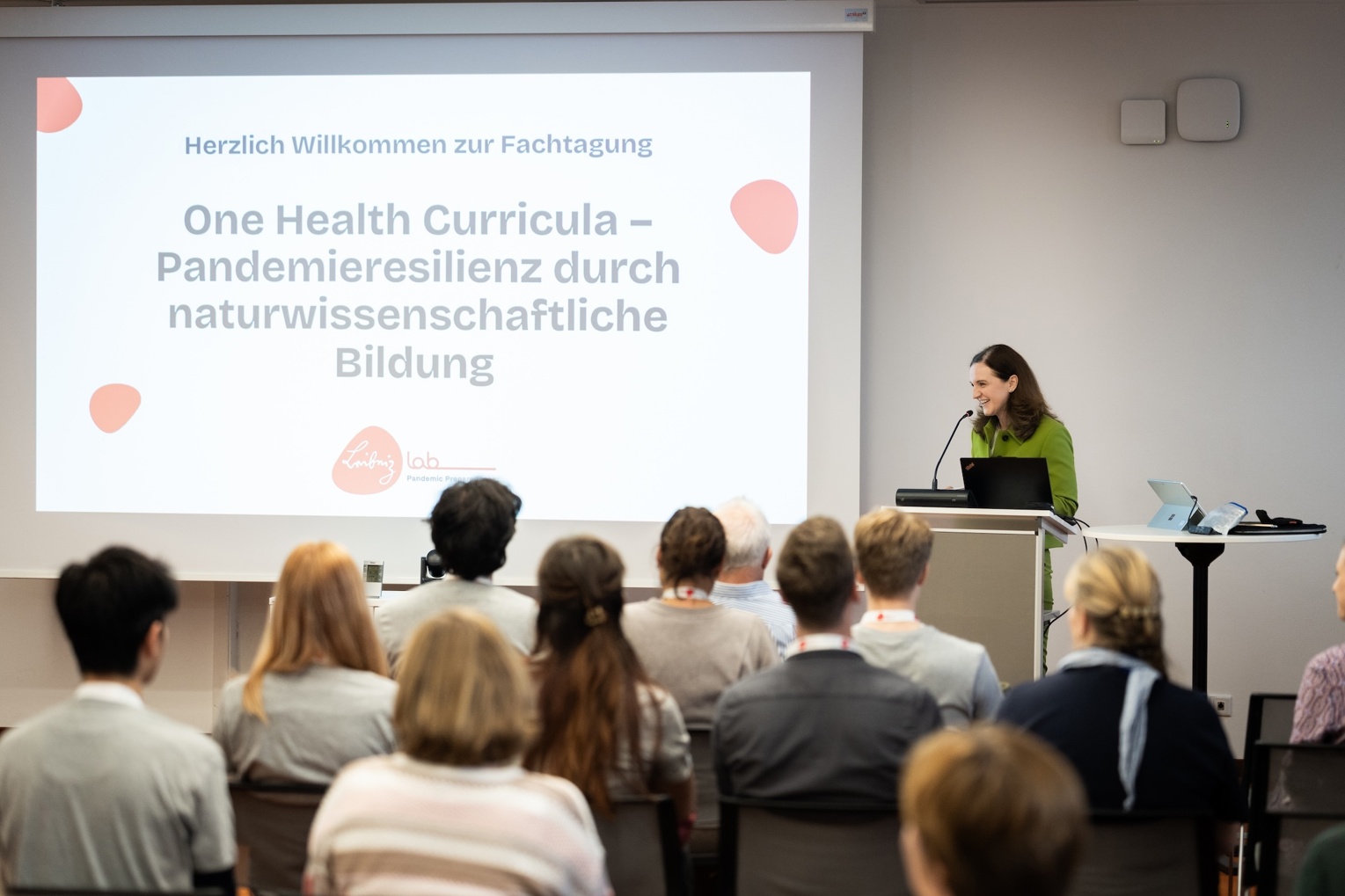
The researchers, specialists and policymakers who came together on October 9, 2026, for a symposium entitled One Health Curricula – Pandemic Resilience through Science Education, hosted at the Leibniz Association’s offices in Berlin, sought to discuss and consider how science education might better prepare young people for potential future pandemics.
The event, part of the Leibniz Lab Pandemic Preparedness – One Health, One Future, aimed to provide a forum for actors in the field to work together to draw up specific recommendations for action that science education might take in this context. It took as its key point of reference the One Health approach, which seeks to illuminate the interconnections among the health of people, animals, and the environment and, in so doing, opens up a vital route to better pandemic preparedness.
The fifty-six attendees came from the fields of science, education, and policy, and also included school students who shared their experience and views.
Bringing together points of view from science, policy, and the classroom
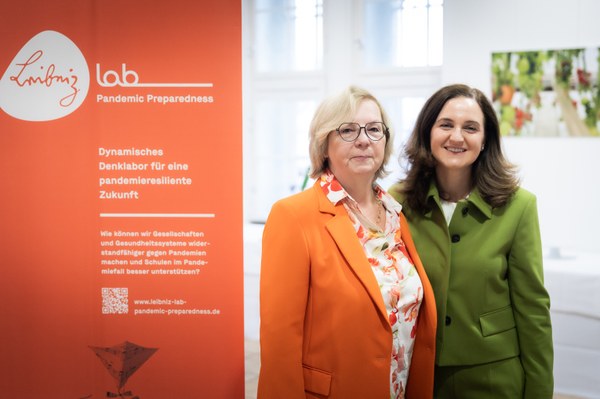
Opening the event, Prof. Dr. Gülşah Gabriel and Prof. Dr. Ute Harms emphasized the significance of communication between researchers and practitioners and the value of bringing young people on board. Michael Hose, a member of the Bundestag and chair of the commission of inquiry into the Covid pandemic, set out the case for basing political and societal decision-making on data and findings gathered by scientists. He further underlined the crucial importance of science education supported by data and of the structure provided by schools in times of crisis.
Prof. Dr. Stephan Lewandowsky of the Universities of Bristol and Potsdam outlined research-based methods of enabling people to recognize misleading argumentative schemas at an early stage and enter into constructive conversations around inaccurate information, with the ultimate objective of preventing health impacts and deaths caused by false information in health-related crises.
Drawing on recent studies, Prof. Dr. Ute Harms and Dr. Finn Matthiesen of the IPN detailed five proposals for improving pandemic resilience and invited discussion on them. The suggestions centered on: (1) building competencies; (2) regarding health and media education and education for sustainable development as challenges to be met across various fields; (3) taking into account the interaction between subject teaching and the overall system of schools, particularly in relation to social and emotional learning; and the potential of (4) the One Health approach and of (5) conceptions of resilience to support systemic thinking.
Two school leaders, Nicole Boutez (Ida Ehre School, Hamburg) and Timo Off (Humboldt School, Kiel), spoke of how schools act as places where teachers and learners live, learn, and build relationships, and explained how healthy routines and clearly assigned responsibilities can help support and guide people in crises. Anja Junker (IQSH) and Lars Janning (LI Hamburg) showed how the One Health approach can link up established practices and competency objectives across school subjects, provided the school is a cooperatively learning organization that develops its teaching in a collaborative manner and forms extramural partnerships.
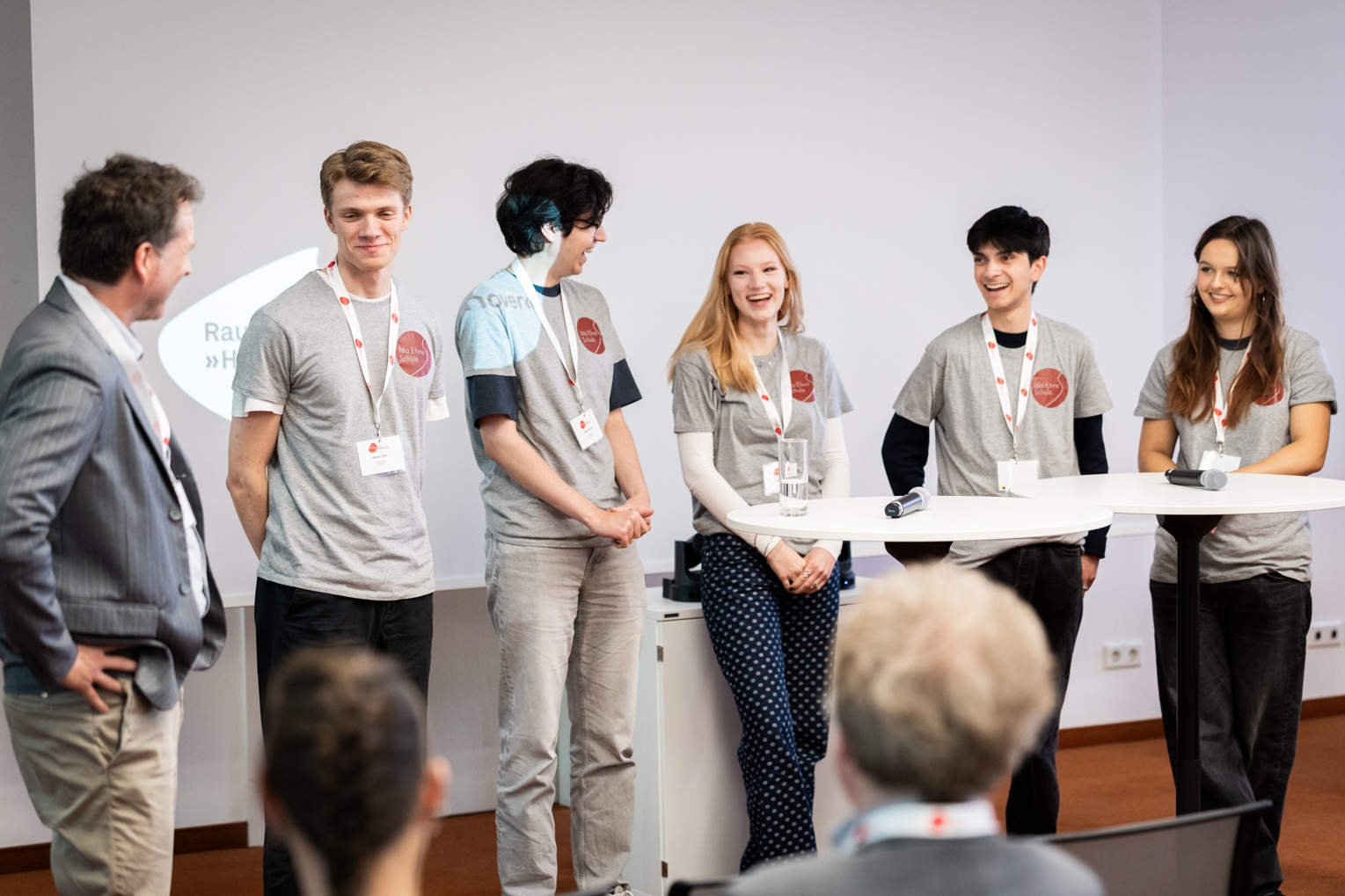
Students from Ida Ehre School in Hamburg talked about their diverse experiences of the pandemic; while some of them were able to make good progress in their learning at home, others found the situation difficult to cope with and lost their motivation. Their contributions to the event highlighted the importance of reliable structures and shone a spotlight on young people’s need to be listened to and to participate in processes that affect them.
Dr. Nils Kessel of the Université de Strasbourg enriched the symposium with a historical and European view of crisis situations and possible lessons to learn for future emergencies. The event also hosted an exhibition of educational resources created within the Leibniz Lab and covering all stages of education, from elementary schooling to teacher CPD.
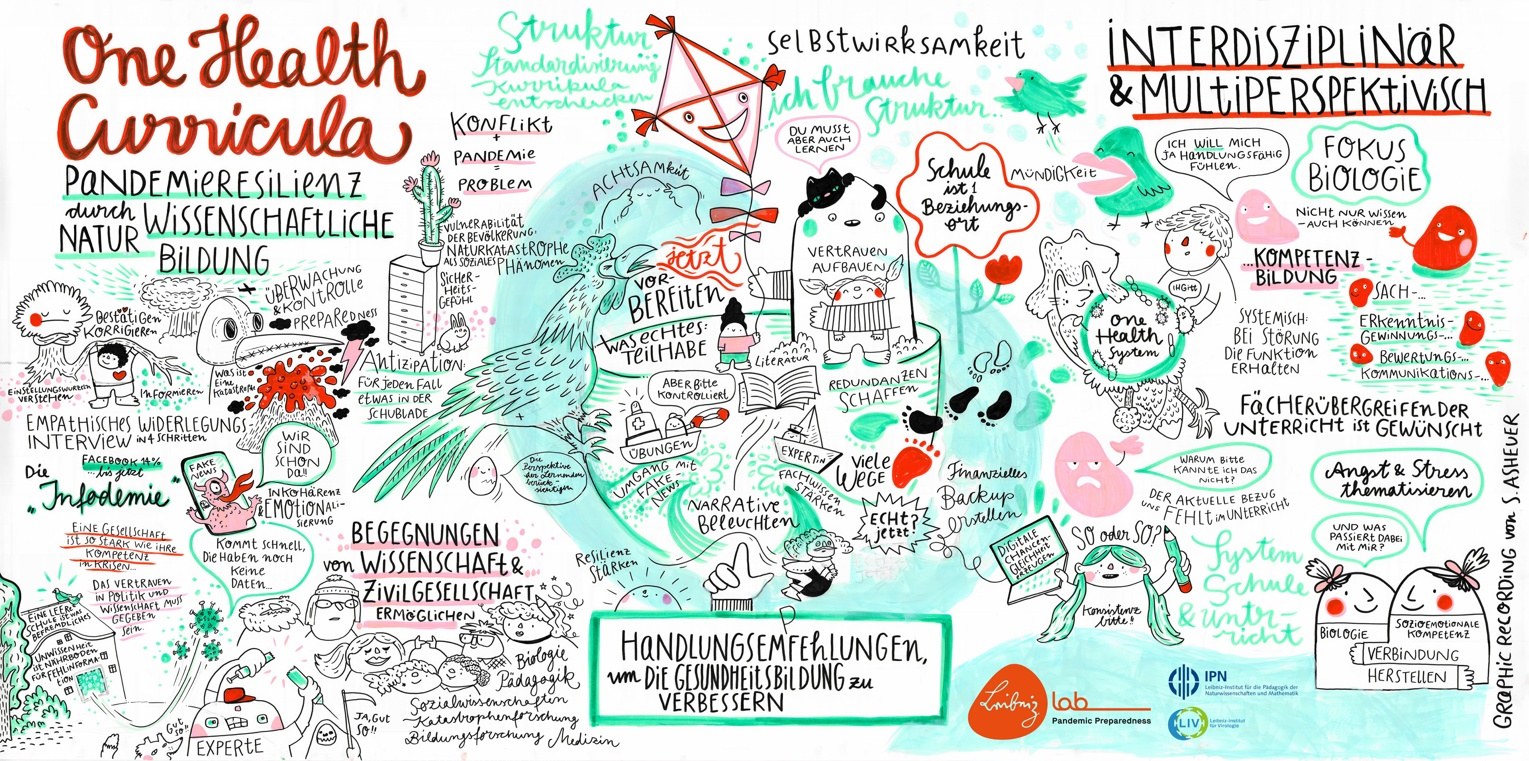
Co-created recommendations for action
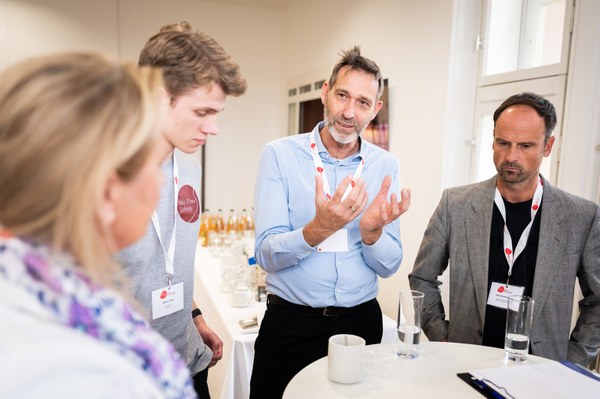
The main point on the symposium’s agenda was the “Co-Creation Café,” a space for participants to engage in lively discussion and draw up proposals for action together. Among the ideas put forward by the co-creators were intensifying the use of networks for creating and using educational materials and policies and having scientists, policymakers, schools and non-school stakeholders engage more closely with one another, thus enabling a better use of resources for pandemic preparedness and management of a pandemic if it occurs. Other suggestions related to boosting teachers’ and learners’ self-efficacy, incorporating the One Health approach into the classroom via competency-based teaching, and using simulated scenarios to test out ways of responding to a crisis.
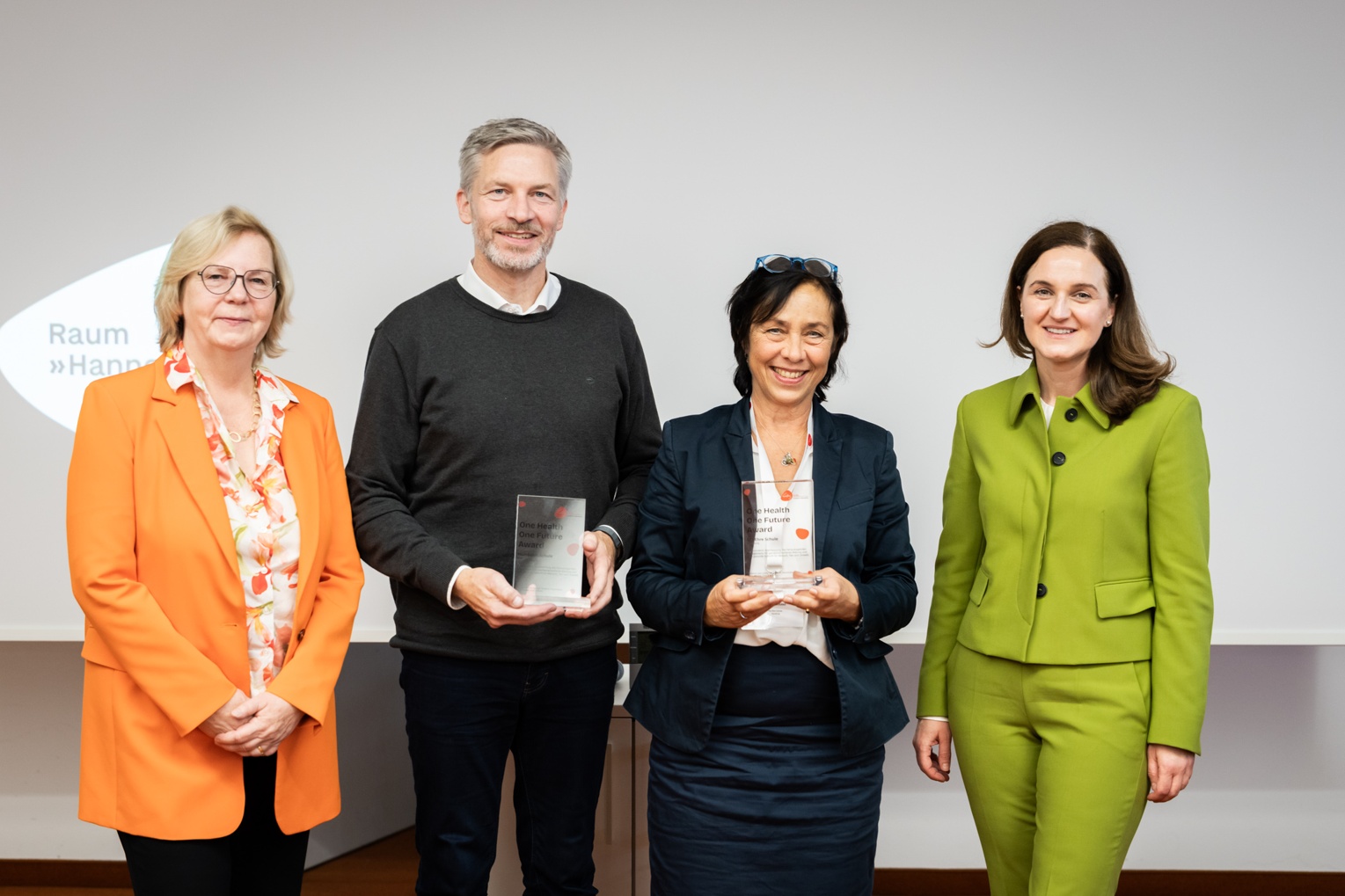
The day concluded with the presentation of the One Health, One Future Award to Ida Ehre School and Humboldt School for their work as One Health pilot schools. The ideas and proposals generated during the symposium will now form the basis of recommendations to be drafted in a White Paper on improving pandemic resilience via science education.
More snapshots of the day