The DZLM develops, implements, and researches continuing education and support programs in mathematics and is involved in various programs for the professional development of teachers.


QuaMath – Improving mathematics teaching in the long term
A nationwide qualification and training program systematically enhances the quality of teaching mathematics
When children and teenagers start tinkering, asking questions, and discussing solutions in the classroom, it becomes apparent that good mathematics lessons are all about active thinking. However, this form of learning is not a given in German schools. National and international comparative studies such as TIMSS and PISA – most recently the IQB Education Trend 2024 – have been recording declining performance in mathematics for years. Many students no longer meet the minimum standards.
Yet mathematics is fundamental to educational biographies, academic success, and career opportunities. How can teaching be designed so that children and teenagers understand mathematics, apply it, and find it meaningful?
A program to strengthen mathematics education
The program “QuaMath – Developing quality in mathematics classrooms and teacher professional development,” launched by the Standing Conference of the Ministers of Education and Cultural Affairs (KMK) in collaboration with the German Center for Teacher Training in Mathematics (DZLM), addresses this issue. Launched in 2023 and scheduled to run for ten years, the program aims to systematically strengthen the quality of mathematics lessons nationwide – and to embed this improvement in practice in the long term.
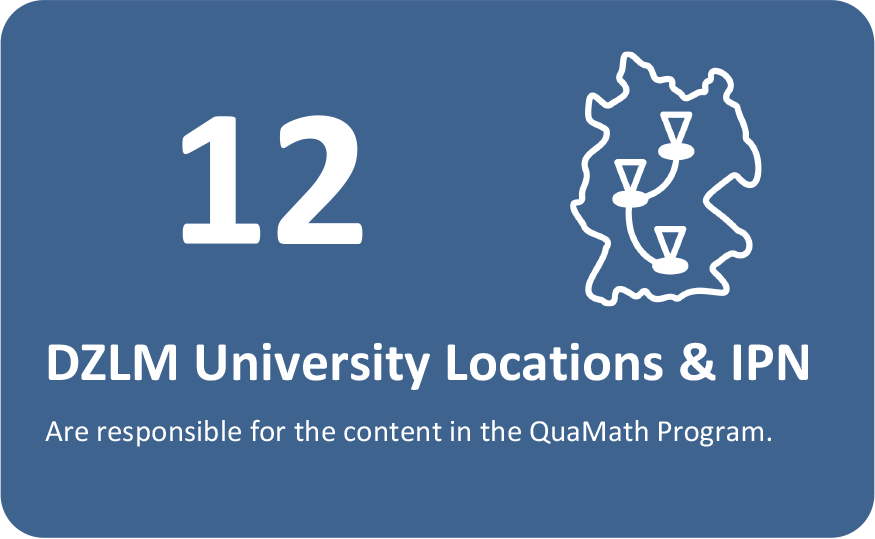
Coordinated by the DZLM at the Department of Subject-Specific Knowledge Transfer at the IPN, with its main location in Berlin, twelve DZLM university locations are involved in the content and scientific development. QuaMath combines teaching development, continuing education, and research into a common approach. This approach is scientifically sound and designed for the long term: specially trained multipliers—experienced teachers who conduct continuing education courses—are comprehensively qualified and certified. They work in school networks with teachers to design lessons in such a way that mathematical skills are deepened and learning processes better understood.
Learning in a network – with schools for schools
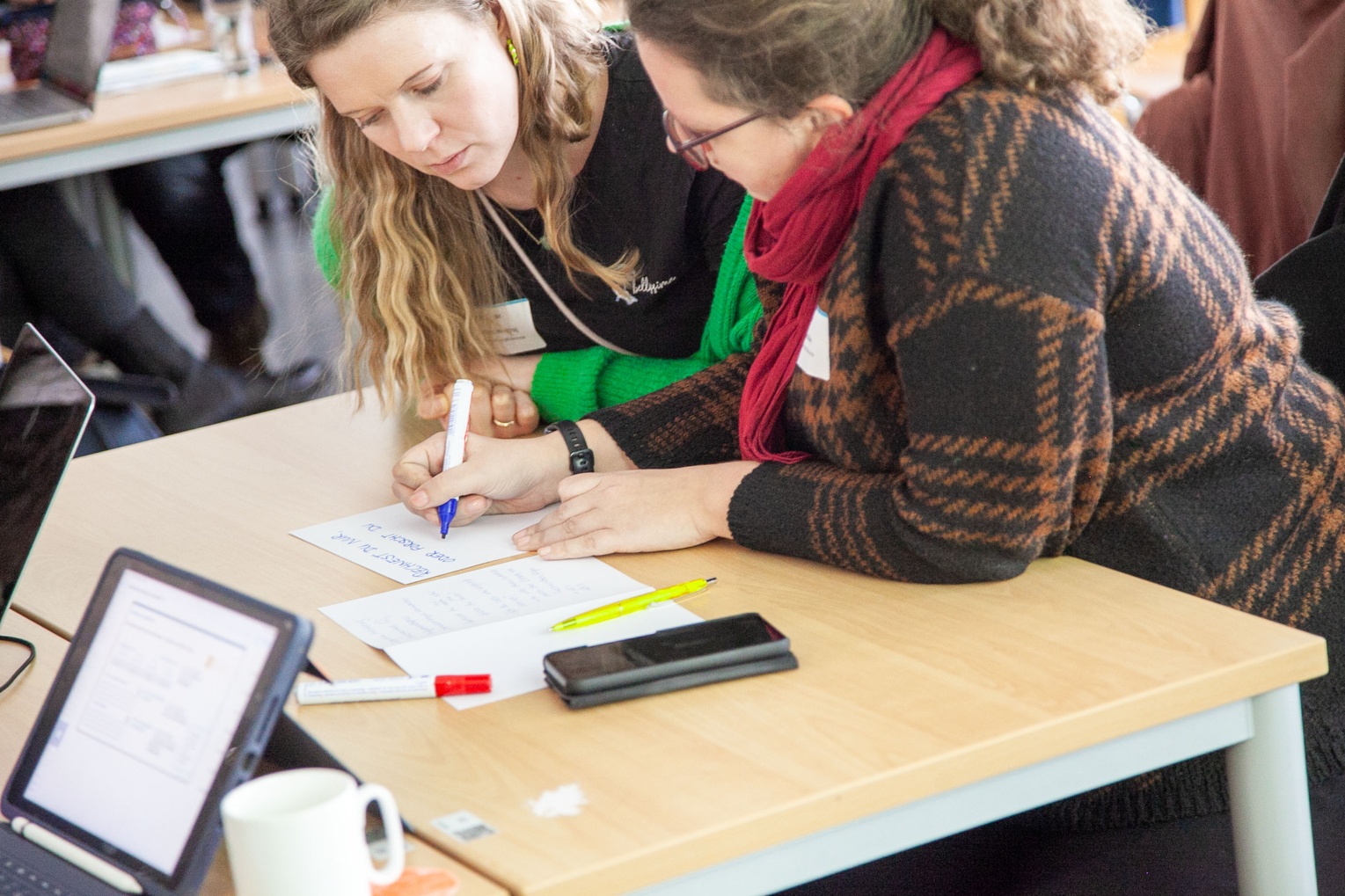
School networks are at the heart of QuaMath. In these networks, teachers from one school work with colleagues from other schools over several years, exchanging experiences and trying out new approaches to teaching. Two to five teachers from each school participate in a network, which is supported by two multipliers who aim to further develop teaching methods.
The QuaMath training system is modular and offers courses for primary and secondary schools aiming to improve the quality of mathematics teaching in the long term:
- Basic modules on teaching quality
- Content modules on mathematical topics
- Advanced modules on cross-cutting topics such as differentiation, language education, and digital media
A special program section addresses technical colleges for social pedagogy. These colleges train teachers who will go on to educate future educators. The objective is to equip these professionals with the skills to deliver targeted mathematical education to preschool-aged children. The program supports them in sharing their knowledge with their colleagues so that mathematical thinking can be integrated into everyday life and taught in daycare centers in a playful manner.
Five principles for effective mathematics teaching
All QuaMath modules are based on five quality principles specific to the subject. These principles describe what constitutes effective mathematics teaching from the perspectives of research and practical experience.
- Cognitive Demand
Stimulating active learning processes: Good teaching challenges students to think for themselves and develop their own solutions. Learners actively tackle tasks, recognize connections, and apply their knowledge to new situations.
- Conceptual Focus
Lays the foundation for concepts, strategies, and procedures: Learners should not only apply strategies but also understand how and why something works. To do this, they develop ideas and link different forms of representation, such as language, images, and symbols.
- Longitudinal Coherence
Enables long-term learning: Mathematical skills develop over many years. Sustainable teaching builds on familiar concepts, deepens them step-by-step, and specifically addresses gaps in understanding to ensure the learning process continues.
- Student Focus & Adaptivity
Addresses individual learning levels: Teachers build on learners' thinking, diagnose individual learning levels, and tailor learning opportunities to promote understanding and motivation.
- Enhanced Communication
Promotes discussion about mathematical ideas: Talking about mathematical ideas is an essential part of learning. When learners explain, describe, and think about mathematical relationships together, they deepen their understanding and develop their subject-specific language.
A program with broad impact
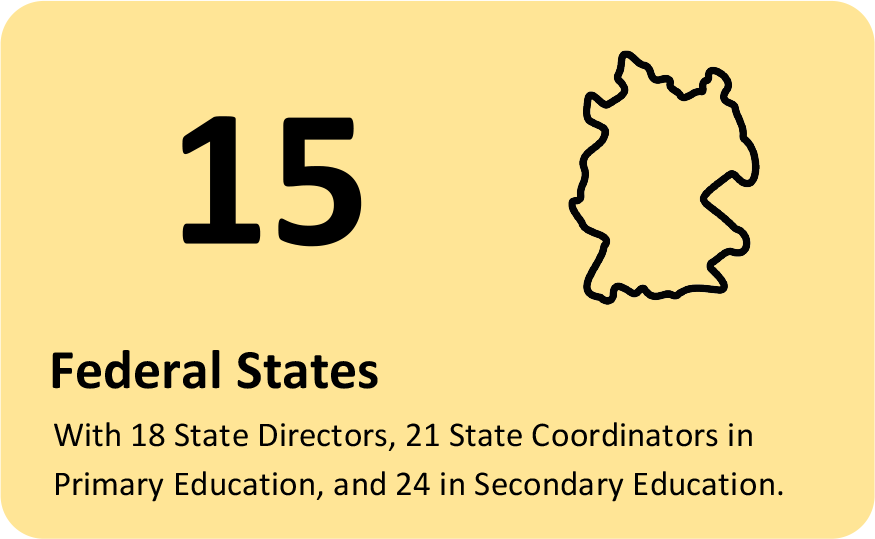
- 15 federal states are participating (exception: Thuringia)
- 2,439 schools are participating in the first two cohorts (target by 2033: 10,000)
- 8,638 teachers are currently working in school networks (as of September 2, 2025)
- 515 multipliers are certified with more to follow
- 27 modules have been developed and are being implemented across all states
The experience to date has been encouraging: in just the second year of the program, over 8,600 teachers are actively participating in the networks. Initial evaluations indicate that the multipliers’ continuing education expertise is growing and teachers find the five quality principles valuable for their lesson planning and reflection.
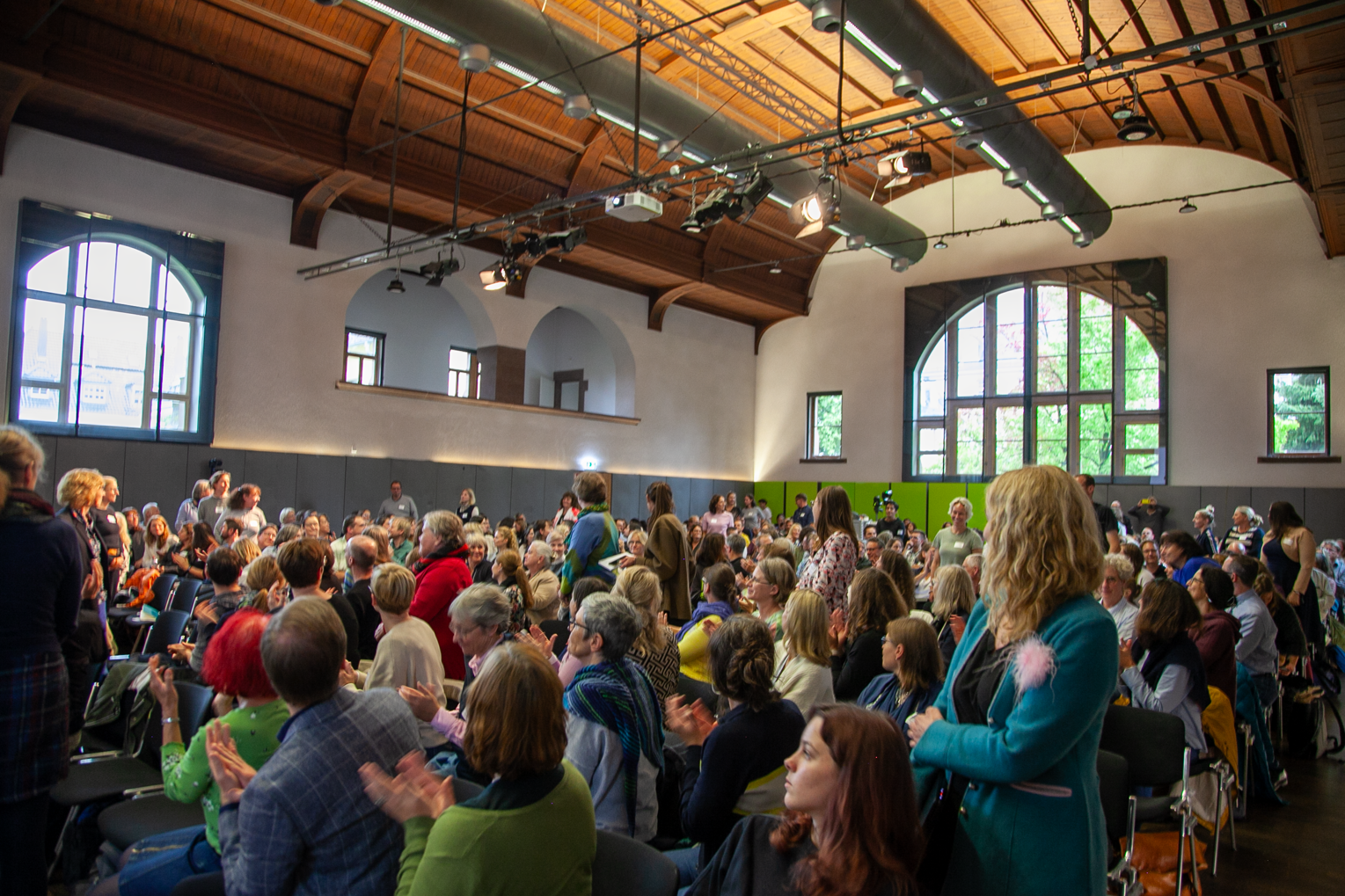
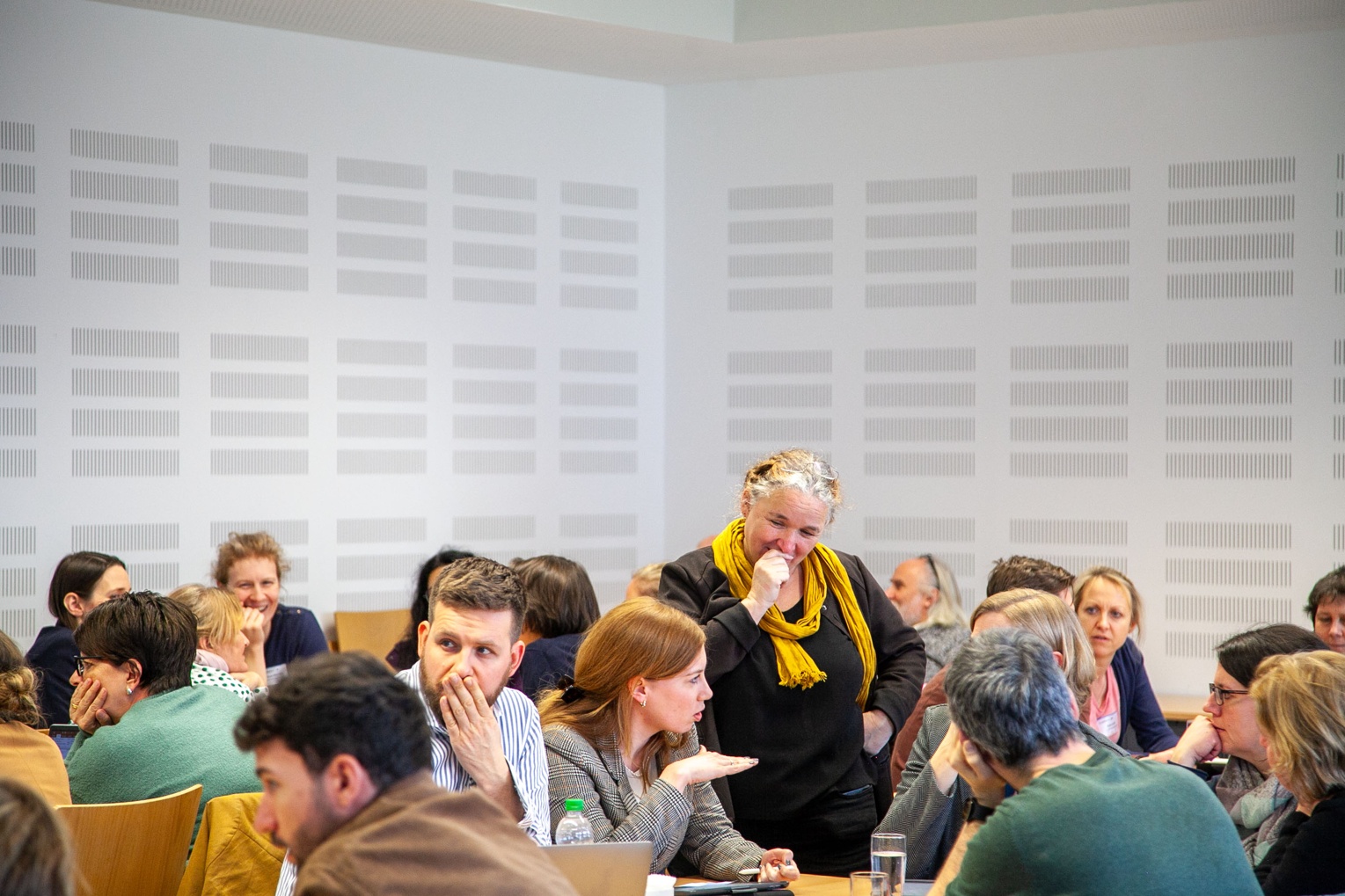
A recent example of the program's dynamic nature was the 4th QuaMath Federal Conference, which took place from September 25 to 27, 2025, at the Heidelberg University of Education. This was the first time that two generations of multipliers came together: the first generation completed their two-year qualification, while the second generation started with the basic module. Workshops, lectures, and discussion rounds provided opportunities to exchange experiences, generate new ideas, and advance the joint development of the program.
Of course, a program of this magnitude also presents challenges: Retaining staff over a period of ten years requires continuous motivation and support. Likewise, attracting new schools while maintaining consistently high quality at all levels remains a major task.
The QuaMath program will gradually expand to achieve its target of 10,000 schools by 2033. New school networks will be established in successive cohorts. Qualified multipliers accompany the teachers and conduct the training courses in the federal states. The federal states are responsible for selecting and supporting the schools. They have appointed state coordinators and state managers to oversee the program’s implementation on a regional level. QuaMath will therefore grow in a controlled and sustainable manner, one school at a time.
Scientific support
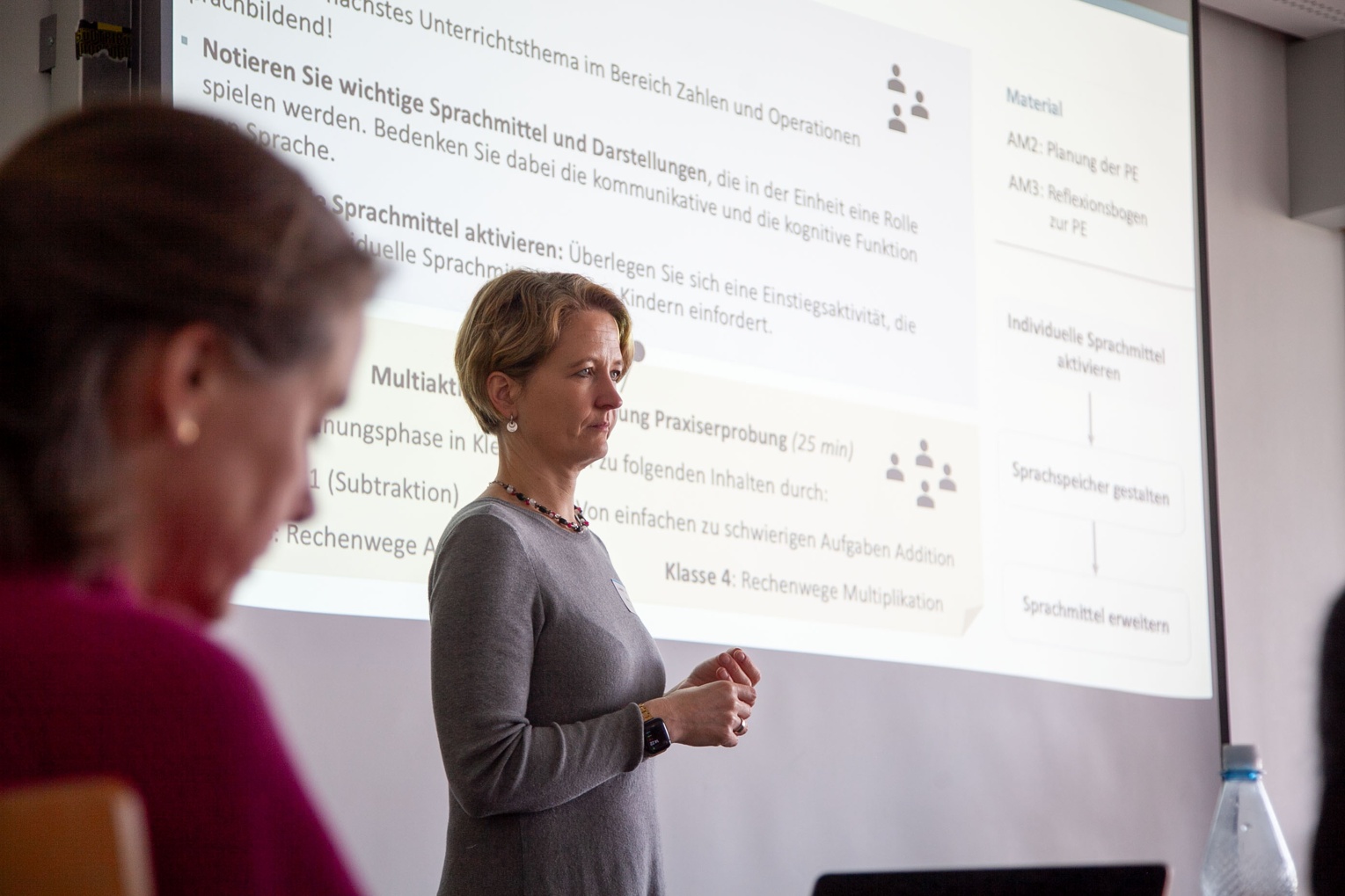
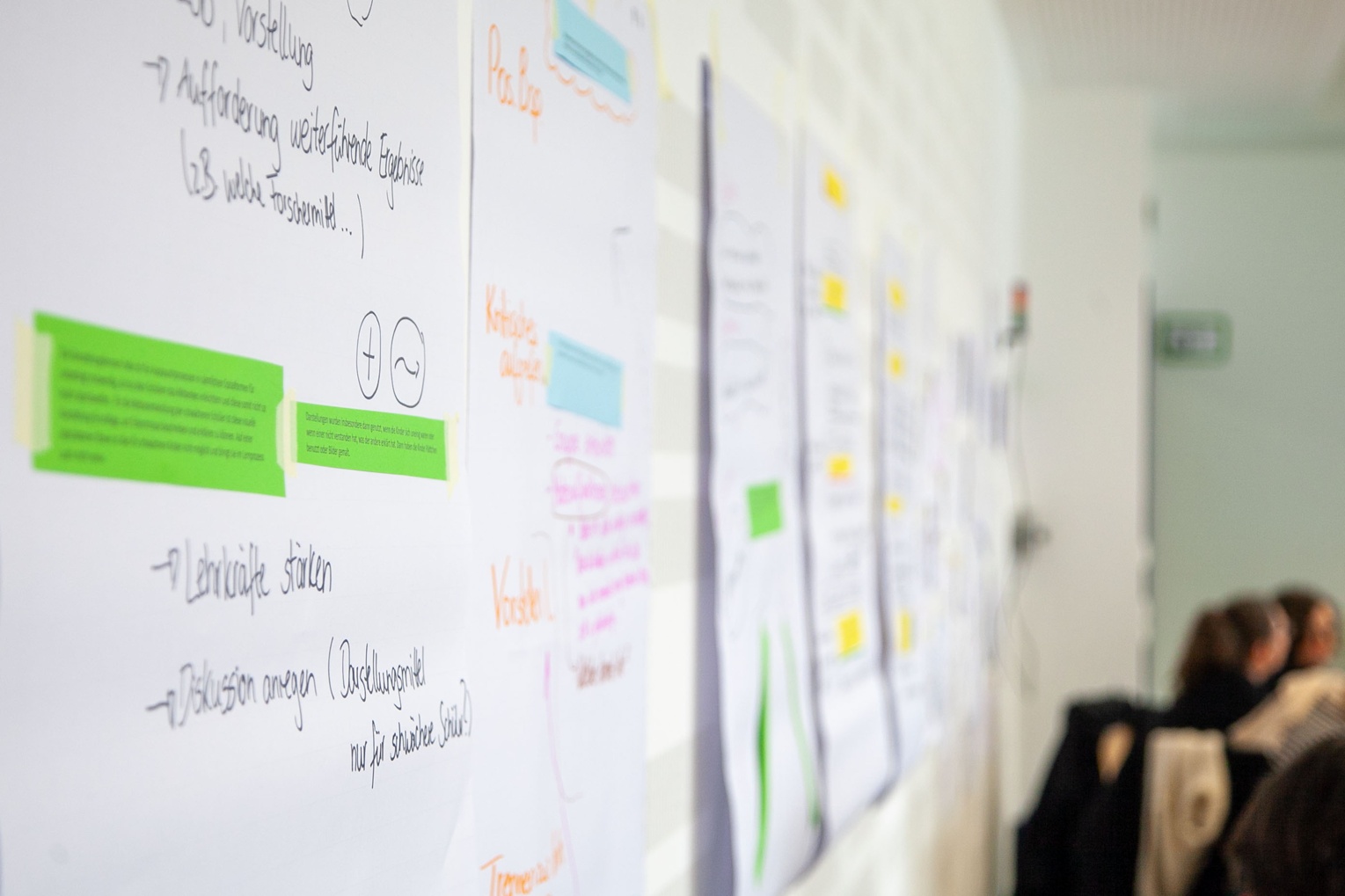
In close collaboration with teams of practitioners, the IPN and a consortium of twelve universities in the DZLM network provide research-based training and qualification concepts, investigating how the programs can be effectively implemented. The general conditions for implementing these concepts in schools are also investigated. Collaborations among trainers strengthen self-efficacy, thereby increasing the perceived feasibility and acceptance of the training concept. The successful transfer of innovative teaching concepts in the cascade model is driven by social exchange processes and personal convictions.
The research design is iterative: in each phase, empirical insights into the processes initiated and the conditions for their success are fed back into the further development of the modules. Research results from the program are expected from 2026 onwards.

Long-term commitment – beyond 2033
QuaMath is a long-term approach to the further development of teaching and training. The goal is not only to reach 10,000 schools, but also to establish sustainable structures: qualified multipliers for long-term use, viable school networks, and tried-and-tested materials that can continue to be used even after the program ends.
The accompanying research will reveal which factors support this consolidation and provide insights for other subjects. The result will be a sustainable system that will continue to have an impact beyond 2033.
Further information
For more information about the QuaMath program and current developments, visit quamath.de and dzlm.de.
QuaMath in the media (selection - in German)
- DIE ZEIT (+) »Am Ende können sie halt nichts«
(interview by Jeannette Otto with Susanne Prediger) - 3sat / NANO: »Mathefrust adé – Endlich wird Unterricht spannend«
(with Ulrich Kortenkamp and Susanne Prediger) - CAMPUS Schulmanagement: »Rechnen im Team – Gemeinsam Mathelernen muss stärker betont werden«
(interview with Christoph Selter) - rbb24 Inforadio – Soup & Science: »Formel für besseren Mathematikunterricht«
(interview by Axel Dorloff with Annett Kreuziger)