

Keeping children safe online: Expert commission publishes recommendations
An independent expert commission on protecting children and young people in the digital world, established by the German Federal Ministry for Education, Family Affairs, Senior Citizens, Women and Youth (BMBFSFJ), has issued 56 recommendations. Prof. Dr. Olaf Köller, Managing Director of Research at the IPN, is co-chair of the commission alongside Nadine Schön.
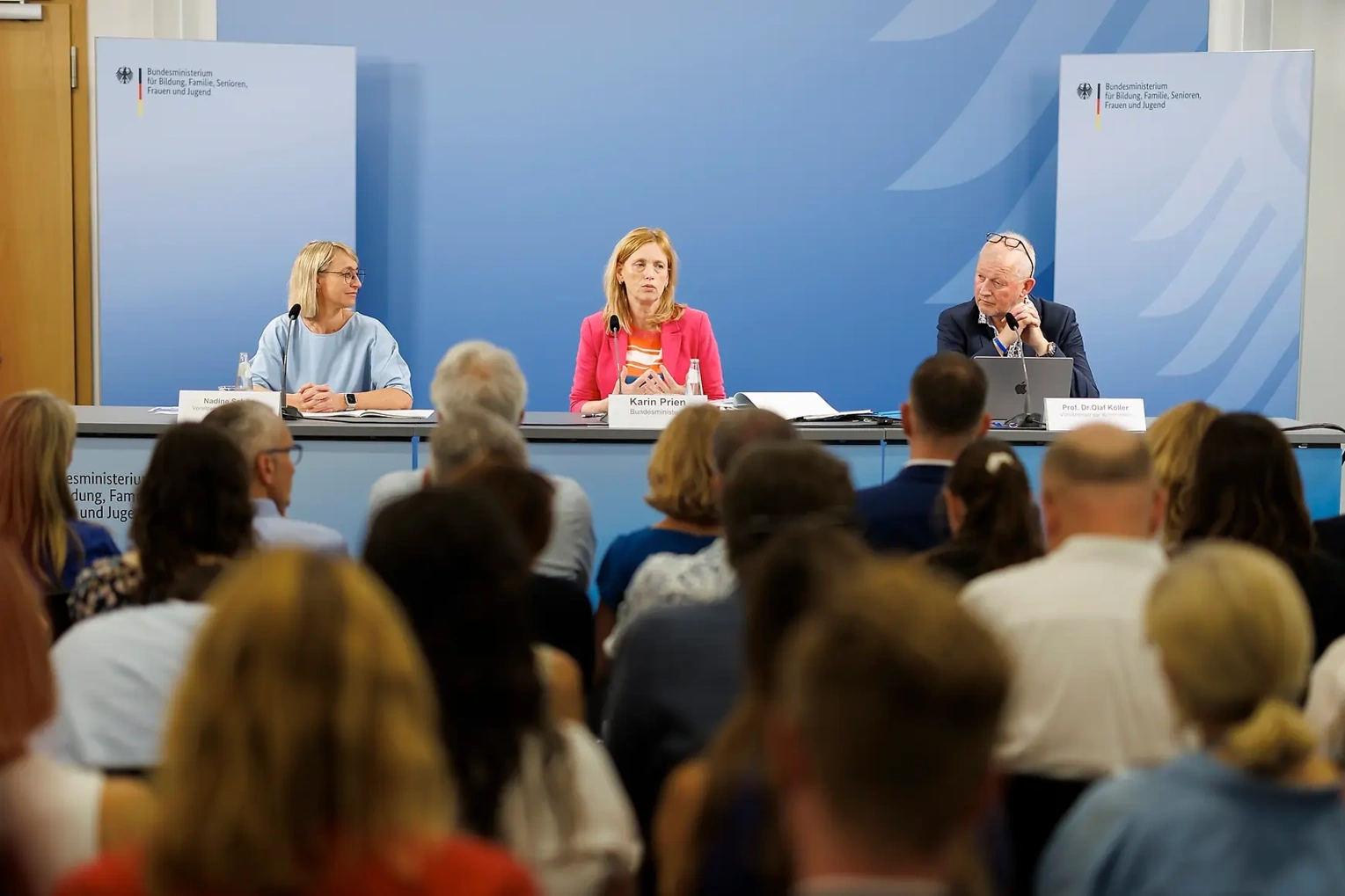
An independent expert commission on protecting children and young people in the digital world has issued its recommendations, which it presented to Karin Prien, Germany’s Federal Minister of Education and Family Affairs, on June 24 this year. The recommendations propose ways of ensuring that children and young people can participate safely in the digital space. The commission, which brought together a total of eighteen experts across the disciplines of law, medicine, psychology, criminology, education research, and educational practice, explored the various stages of childhood and adolescence and the responsibilities of a range of actors in protecting young people. Workshops held across Germany invited children and young people to share their views.
The recommendations are of interest to federal, state and local authorities in Germany and at EU level, alongside parents and carers, educational institutions, children’s services, the healthcare field, and providers of digital and online services. Centering child development and the principle of responsibility, they are intended to lay the foundations for an overarching federal government strategy, to which Germany’s governing parties have committed in the current coalition agreement, for protecting children and young people in digital and online contexts.
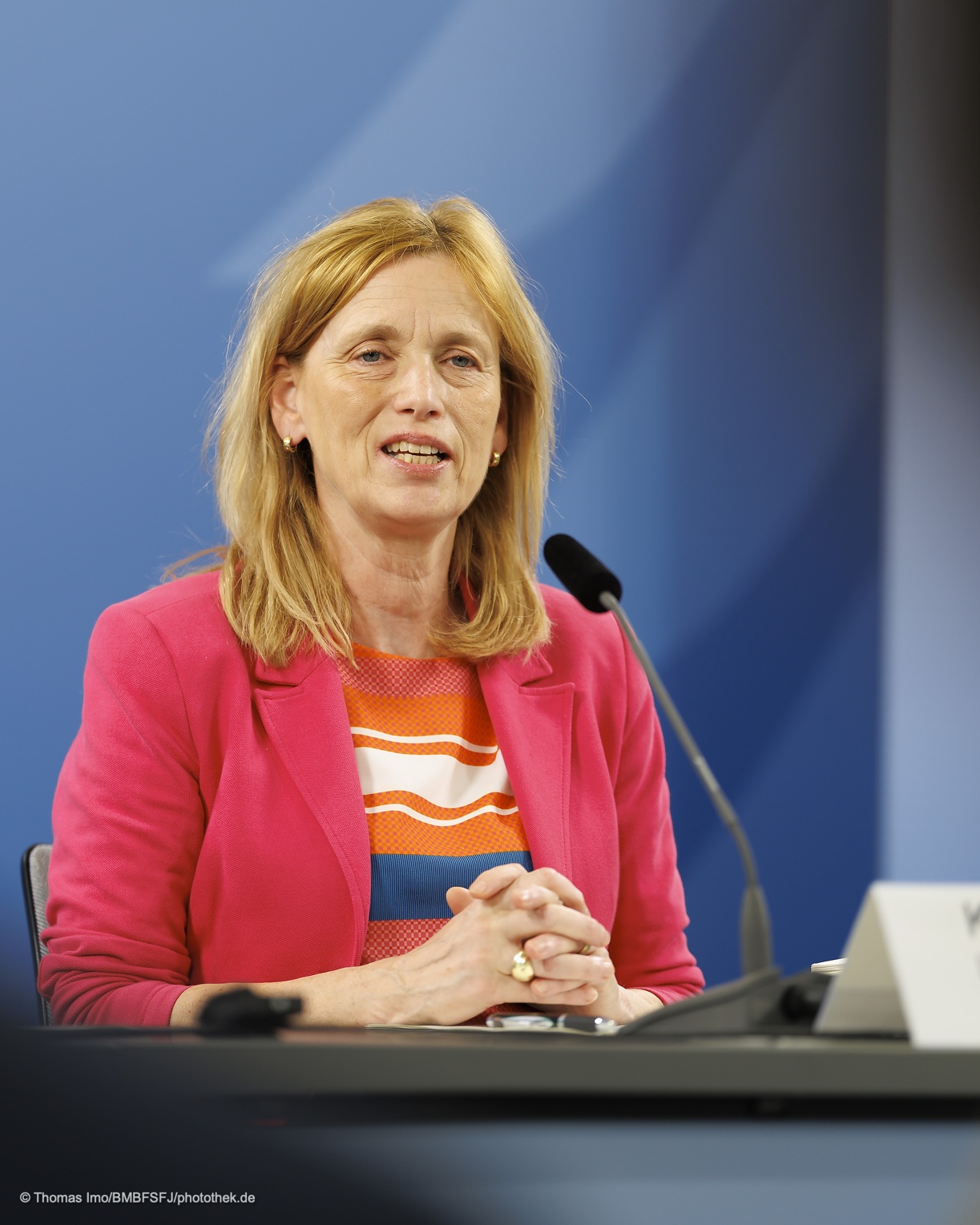
Karin Prien commented: “The commission’s recommendations provide crucial ideas and inspiration for policy around protecting children and young people that meets the challenges of today’s modern, digital age. They show us how vital it is for us to better harness the opportunities afforded by digitalization while, at the same time, taking effective action to establish more robust protections for children. This includes setting up structures that require providers of digital platforms to take responsibility for child protection and ensuring that digital and online services take account of safety and children’s needs from the outset, i.e. safety by design. Fundamentally, I think the right way forward is to set the legal minimum age for accessing social media unsupervised at 13, scaffolded by effective age checks and successively less strict protections for young people up to the age of 18. Children under the age of 13 should be legally allowed to access digital and online services proven to be suitable for children and low-risk. I will work for a solution to these issues at European level; should we be unable to make adequate progress with this within a reasonable timeframe, I will work in parallel to draw up the requisite national legislation. In view of the extremely significant role and responsibility of parents in this context, I am a great supporter of the recommendation that the parental task of teaching children about the use of media [of all kinds] be enshrined in the German Civil Code, as happened for children’s right to an upbringing free from violence and abuse back in the year 2000. The recommendations demonstrate that this is a task for the whole of society. Federal, state and local authorities, academia, schools, children’s services, and families need to work hand in hand. We can only be successful in protecting children and young people if we all work together, and the recommendations presented today give us robust foundations for this endeavor. As the minister with responsibility for children’s and young people’s safety, I will make sure this process advances. We are aiming to create an overarching strategy that will work into the future, that will support protections, skills development, and participation for young people in the digital space, and that will forge smart links between legislation, education, and preventive work. In this way, we will create the conditions that will enable children and young people to engage safely in the digital and online world and make the best use of their opportunities. I would like to thank the members of the expert commission for their committed work, which they have placed on a firm evidence base. My very special thanks go to the children and young people who shared their experiences, expectations, and concerns in clear terms. We cannot do without their voices, because they are the ones that show us what young people need if they are to take the opportunities the digital and online worlds offer us safely, competently, and on their own terms.”
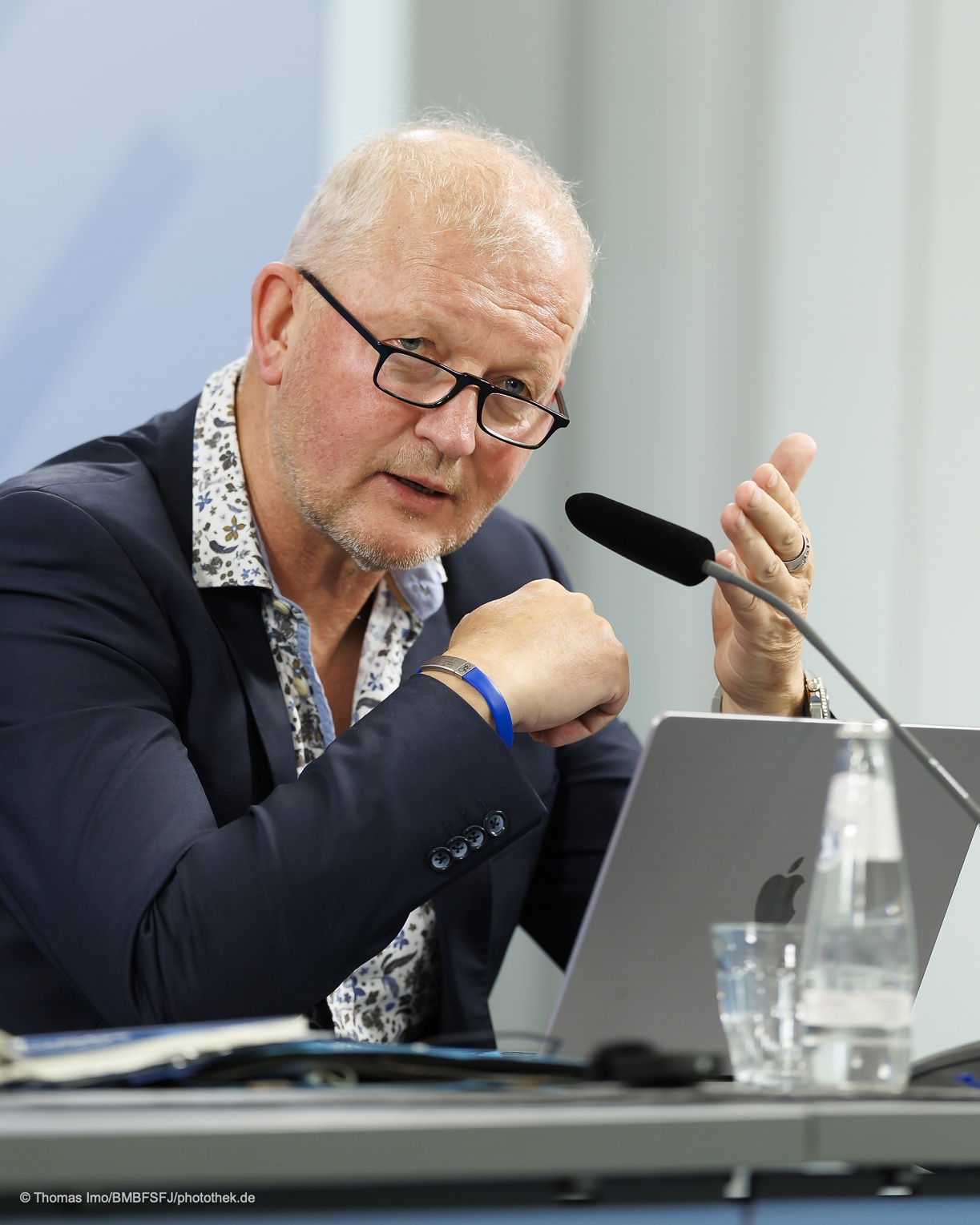
Prof. Dr. Olaf Köller, co-chair of the commission, added: “The expert commission’s work has shown that young people need clear, developmentally appropriate frameworks and rules that allow them to navigate the online world safely. It is not children who need to adapt to the digital world, but the digital world that needs to adapt to children. Just locking children and young people out of the digital and online space isn’t protecting them. We need to take equal account of three key factors: keeping children and young people safe from things they can’t yet cope with; empowering them to take their online lives into their own hands; and enabling them to access their right to participation. There isn’t only one single person or organization that holds responsibility for making sure children grow up in a healthy way – and it’s certainly not the sole responsibility of children themselves. Here in Germany, we have ample awareness and plenty of regulatory possibilities for an internet that is appropriate for children and young people – the issue is with implementation. The recommendations are the starting point for an overarching strategy that will work toward a long-term process with room for further learnings, bringing on board everyone who shares responsibility for young people’s safety. Young people need to be able to influence the digital space, and we will support them in doing so. The recommendations we have presented, taken as a whole, will give them the opportunity to engage safely in this.”
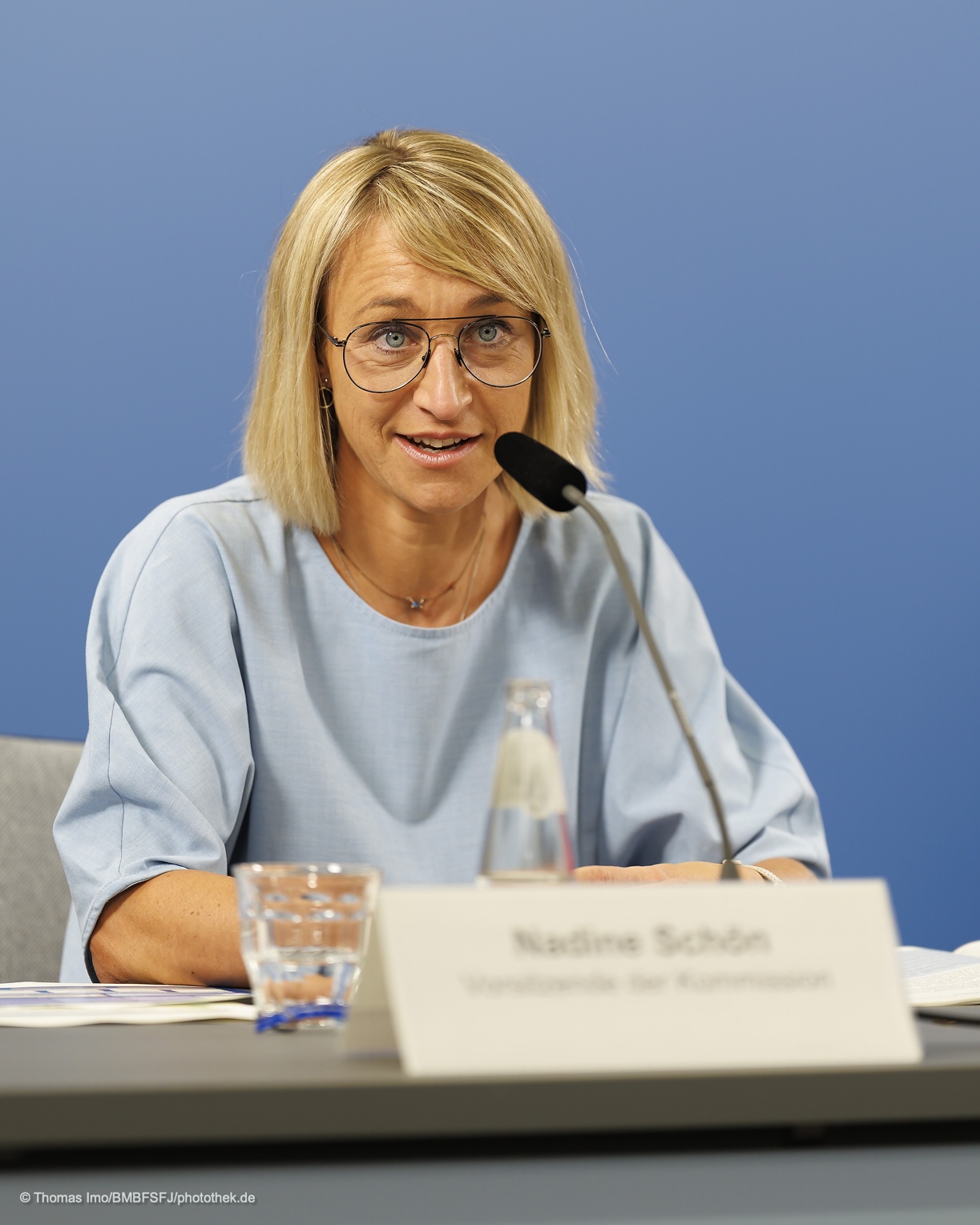
Nadine Schön, co-chair of the commission: “Our 56 recommendations represent our proposals for a holistic approach to enabling children and young people to grow up safely and healthily in the digital and online world. We see protecting children, enabling them to navigate the online world, and empowering them to participate as inseparable parts of the strategy [and as principles] that guide us throughout our work. The recommendations support young people as they grow, from early childhood to adulthood. Families need advice at an early stage, schools need reliable plans for action, young people need safe digital and online services and easily accessible help when they require it, and digital and online platforms need clearly stated obligations. Safe default settings, age-appropriate services, and effective reporting structures can make things easier for children, parents and carers, and professionals alike. Social media and AI need to consider child protection standards from the outset. The digital world needs to center children’s and young people’s rights, needs, and development, rather than children and young people revolving around the requirements of the digital world. We want to create a system for the implementation of our recommendations that is capable of learning and that permits us to effectively protect, enable and empower children and young people in the long term.”
The recommendations are based on a survey of the current state of affairs (in German) published in April 2026. The commission’s final report will be issued in September 2026.