
Diversity-Related Projects at the IPN
At the IPN, research and transfer projects that actively incorporate and implement diversity dimensions are a top priority. We do not view diversity as a formal requirement, but rather as an academic asset: by systematically integrating gender and other diversity dimensions into our research, we enhance the quality and relevance of our work. The fact that national and international funding agencies also recognize this approach as a quality criterion for scientific research confirms its importance for academia.
Diversity-related projects are indispensable to the IPN for two reasons: they raise awareness of different perspectives (creating visibility!) and help ensure that diversity is embedded in research areas and institutional structures over the long term. Visibility is therefore a crucial first step toward not only defining equality and inclusion as abstract goals, but also putting them into practice.
The IPN’s Gender Equality Plan sets clear goals in this regard: it promotes an open, inclusive, and discrimination-free working environment that enables all staff members to fulfill their potential. Diversity-related projects support this by:
- providing new perspectives
- Opening spaces for reflection and dialogue
- Establishing equality as a natural part of academic practice
On this page, we highlight projects that are particularly dedicated to implementing diversity and that provide concrete, practice-oriented products and results—in keeping with the IPN’s guiding principle of “Research for Society".
Projects
The Diversity Compass
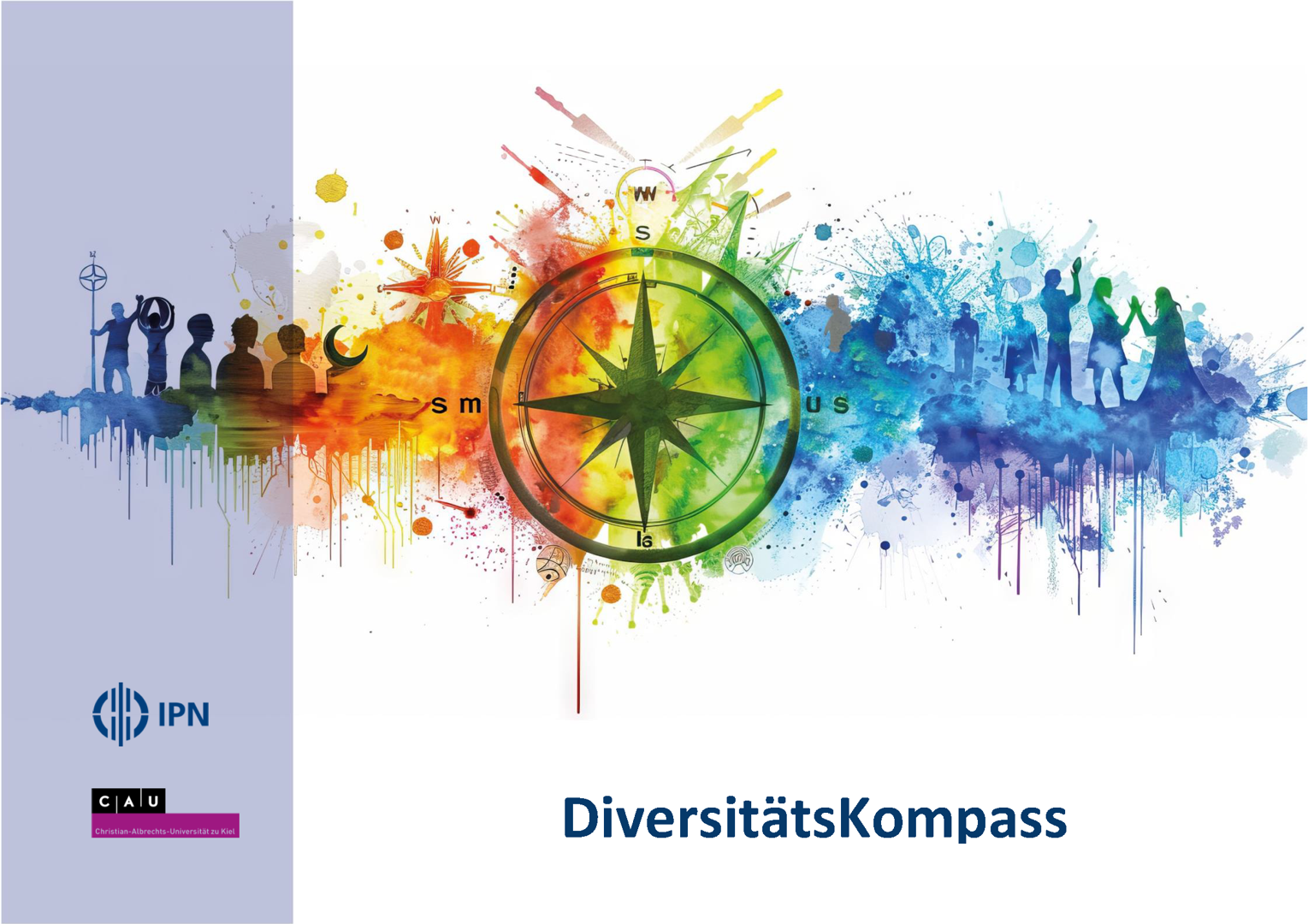
The Diversity Compass is a practical tool for designing, evaluating, and revising teaching materials with the aim of promoting diversity awareness and critical thinking about power dynamics in education. The project supports teachers, educators, and those responsible for education in reflecting on and designing teaching materials in a way that is sensitive to issues of discrimination. The goal is a conscious, inclusive, and reflective approach to diversity in everyday school life. The Diversity Compass is not a definitive assessment tool, but rather a learning and development resource that emphasizes personal responsibility, collective reflection, and the importance of context-sensitive educational practices. Further information can be found on the Diversity Compass project page.
Contact: Adrian Grimm & Jasmin Çolakoğlu
STEM for Everyone – Promoting Diversity Together
Science@Seas connects schools, universities, businesses, and initiatives in Schleswig-Holstein to inspire young people to pursue STEM—science, technology, engineering, and mathematics. The project offers research and creative workshops, the YES!STEM competition, and, since 2022, the state-wide STEM Culture*s Festivals, which combine science and creativity. Together with strong partners such as the Technische Akademie Nord e.V., the ZBW, the European University of Flensburg, and the Schleswig-Holstein Research Forum, Science@Seas demonstrates just how exciting and diverse STEM can be. It also opens doors to new opportunities and ideas.
As part of the STEM Cluster, the IPN developed the brochure “STEM for Everyone.” It provides dedicated STEM stakeholders with practical tips and suggestions on how to foster a culture and mindset that can help engage underserved groups in STEM Programmes.
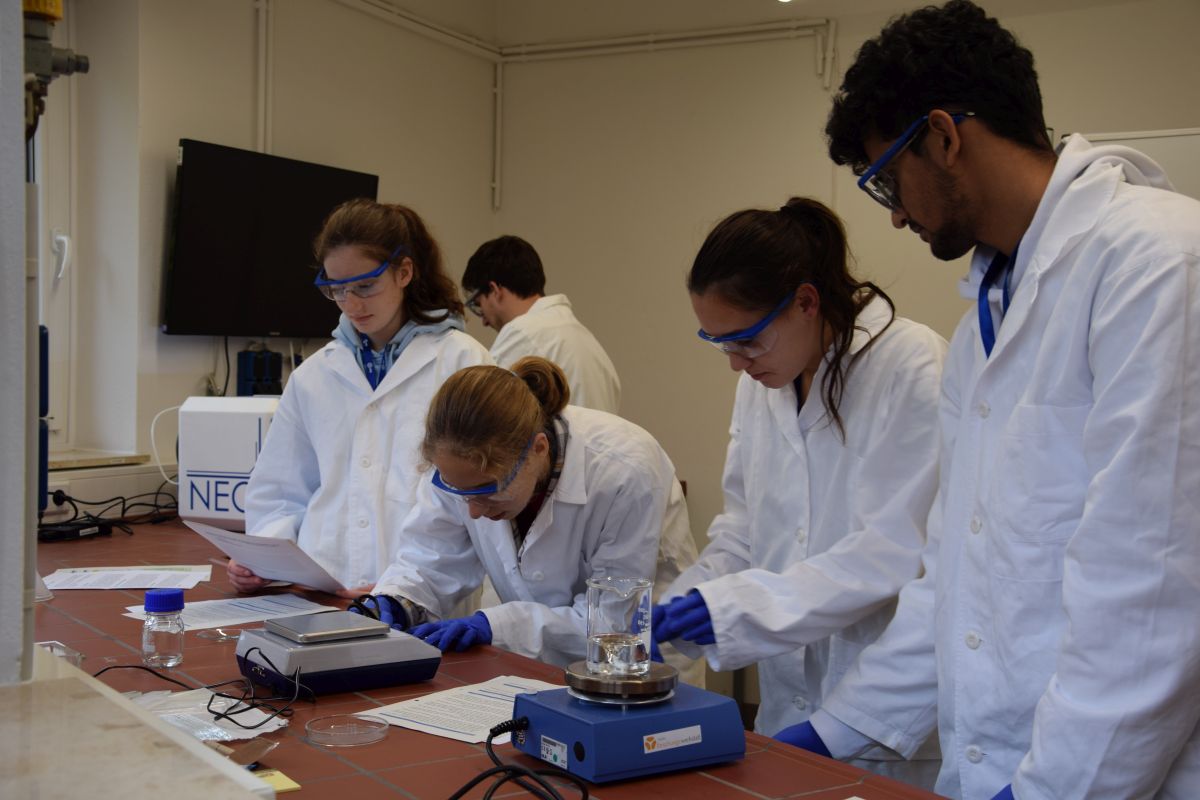
TalenteCamps of the STEM-Academy
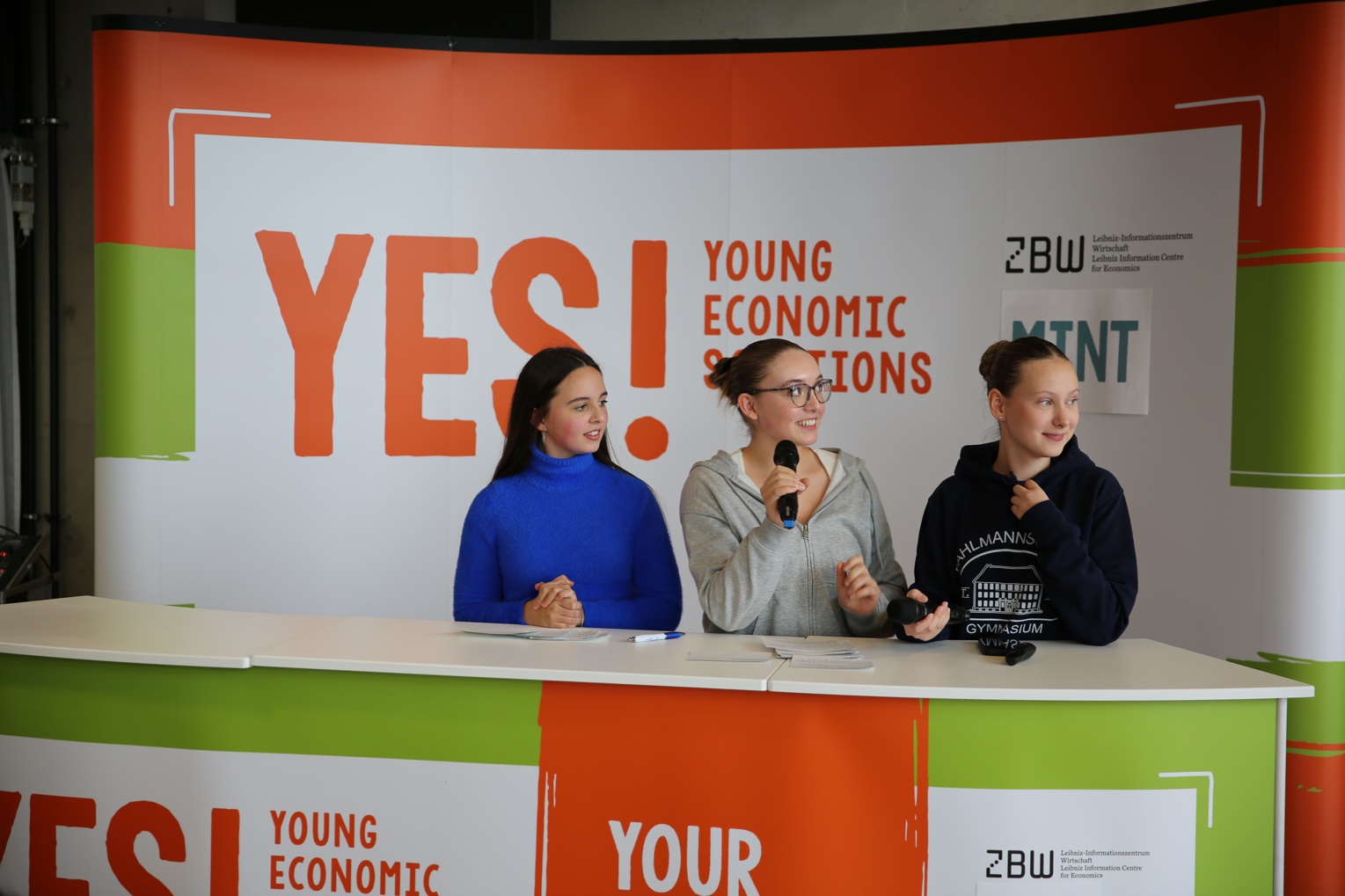
YES! MINT
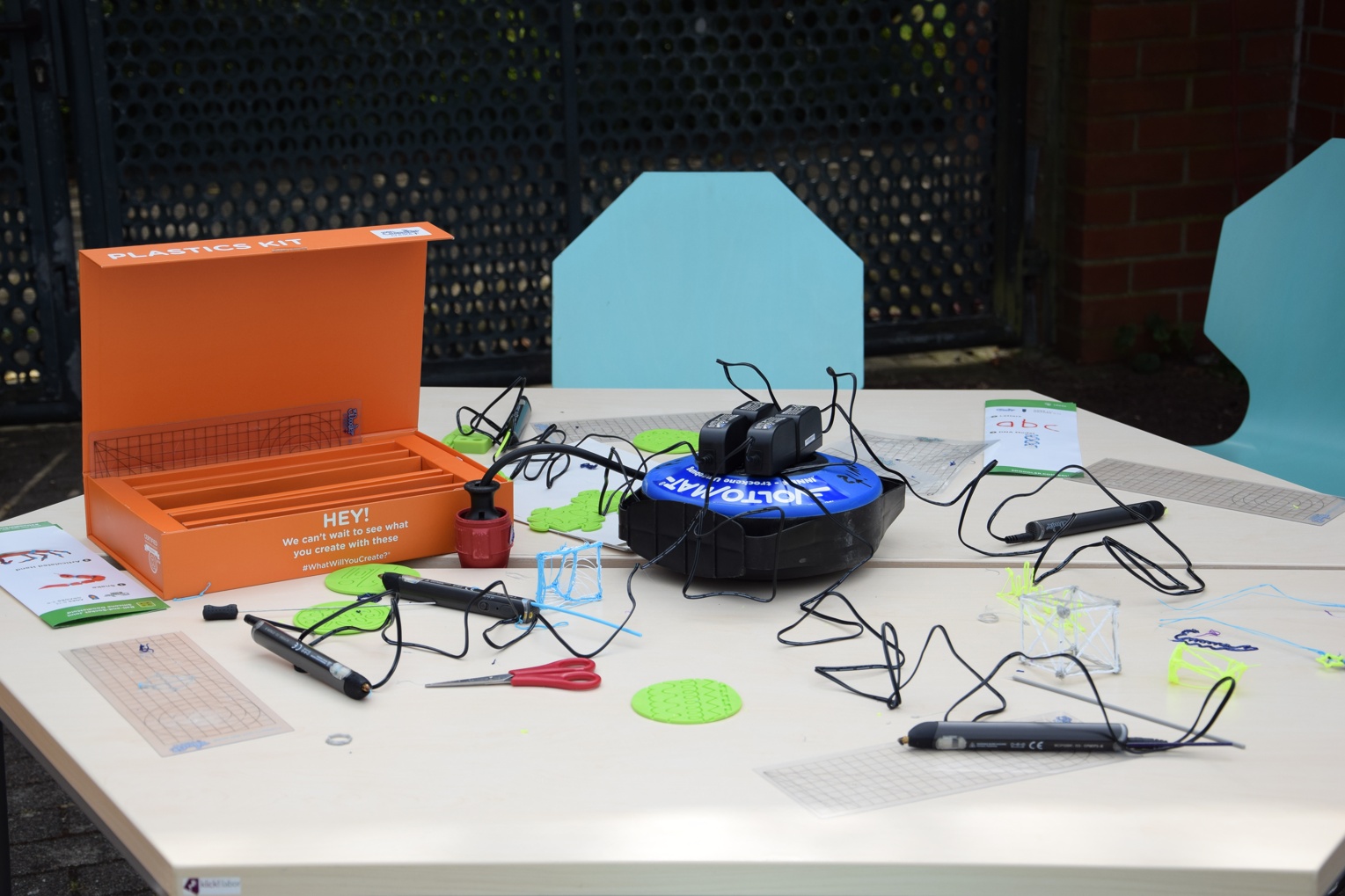
Festival MINTKultur*en
Contact: Jasmin Çolakoğlu
Critical Awareness, STEM Identity, and Diversity: Lesson Plans Published as Open Educational Resources
In the diversity seminar during the fourth semester of the Master’s program in Physics Education, students develop their own lesson plans. These are created in small groups and designed as open educational resources—that is, freely accessible educational materials that can be shared, adapted, and reused. In the seminar, students address questions such as: Can physics instruction be designed in a way that welcomes all students? How can I develop a diversity-sensitive practice that combines two aspects:
- the realization that my behaviour significantly influences whether students perceive physics as “something for them,”
- and the reality that I myself am not a diversity expert?
The goal of the seminar is to consciously counter everyday microaggressions stemming from discrimination with micro-affects. In this way, the aim is to inspire enthusiasm for physics among students who have been underrepresented thus far and to foster a diverse culture within the discipline over the long term.
For more information, visit:
Contact: Adrian Grimm
Additional materials for download
Role Models for Girls in STEM (2021) by Dr. Anneke Steegh (German)
Publications
IPN Journal: “Am I STEM?” Identities in the Natural Sciences and Computer Science. https://static.leibniz-ipn.de/journal12/#0 (German)